Government
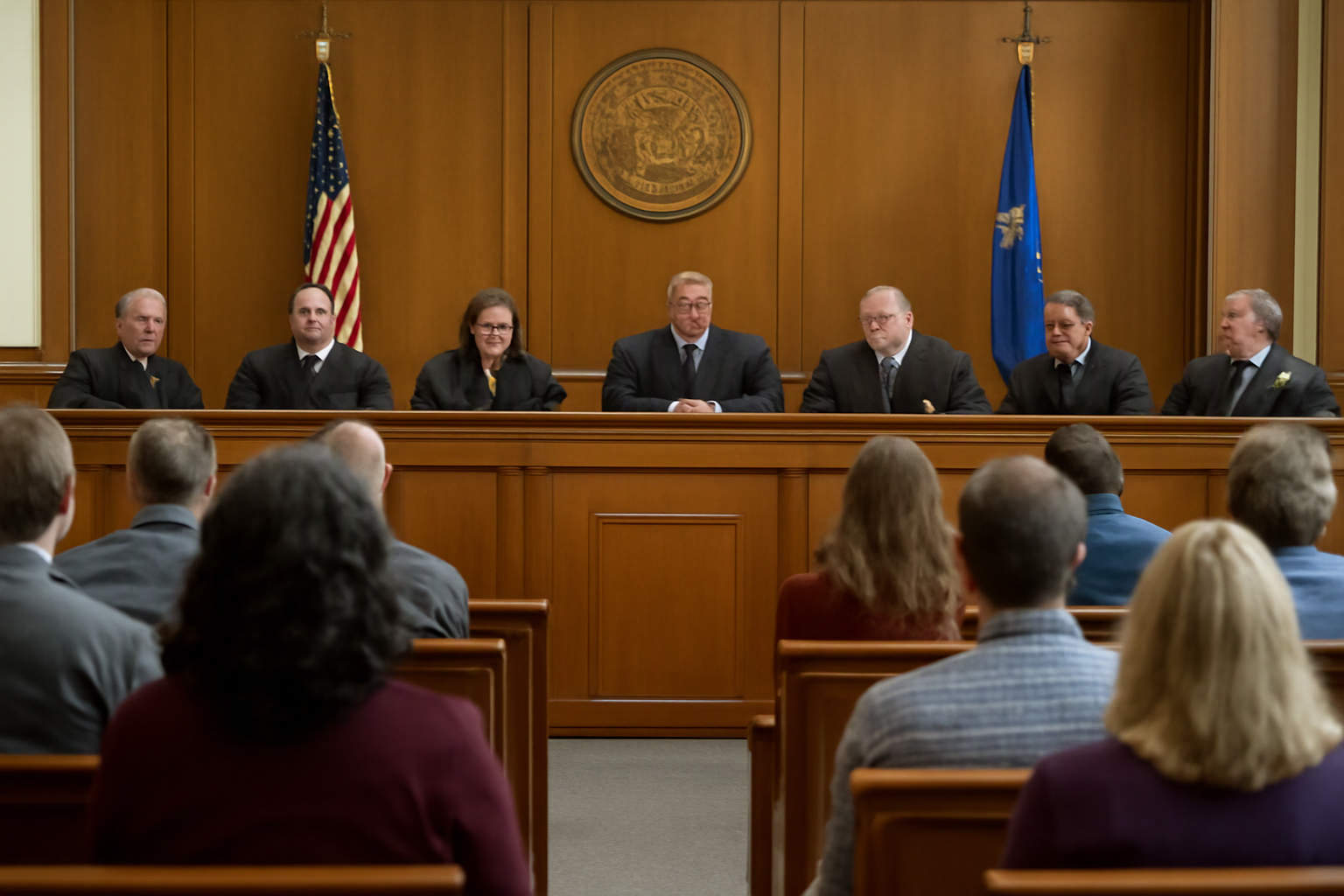
Wisconsin Supreme Court: State v. Desmond J. Wilhite
By Katherine Langford
Advertisement · Why this ad?
Katherine oversees editorial operations across all six brands. Before joining The Meridan Group, she spent 14 years at the Minneapolis Star Tribune, where she led the metro desk through its digital transformation. She holds a Master's in Journalism from Northwestern's Medill School.
More from Katherine →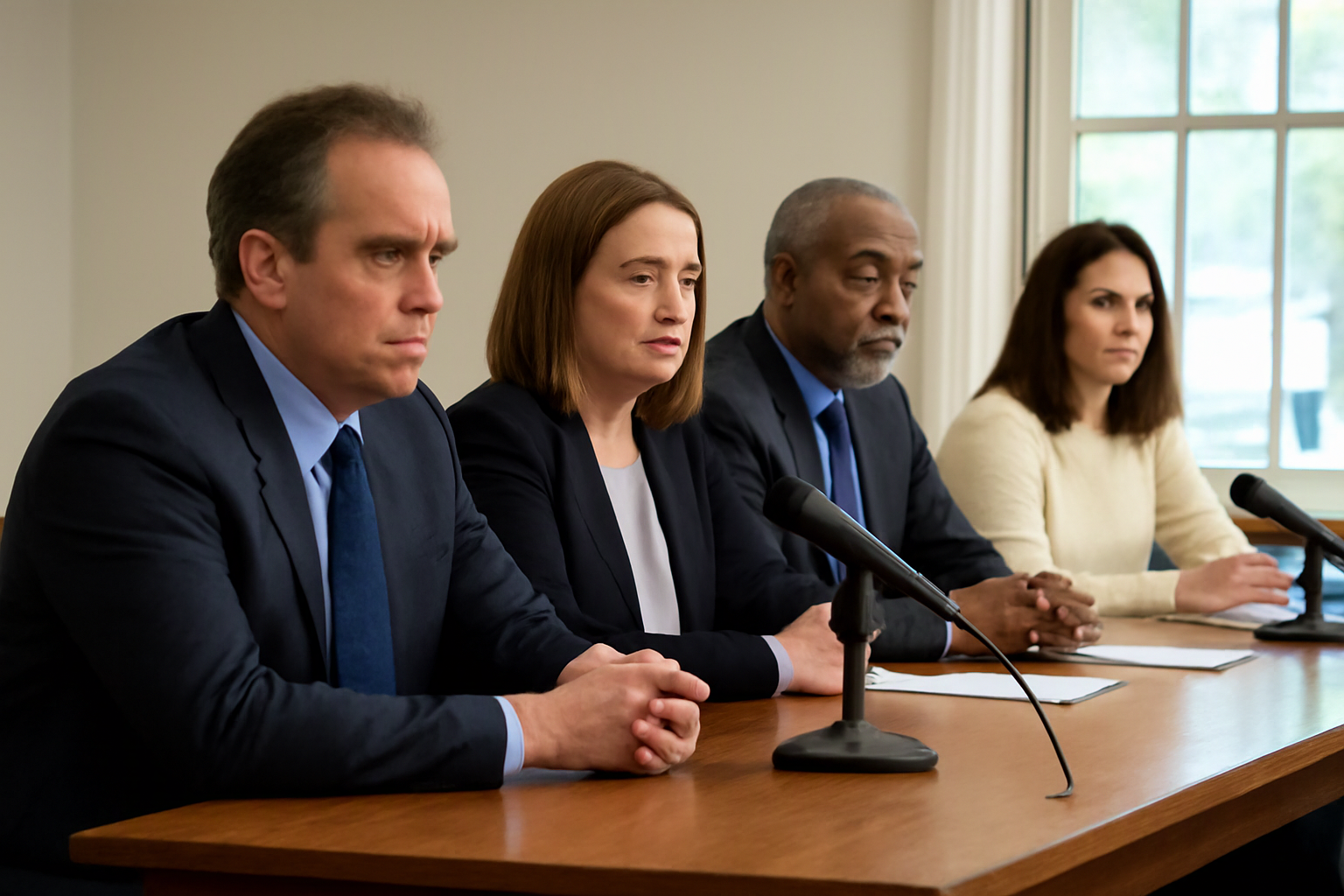
In a quiet conference room in the Wisconsin State Capitol, a diverse group of individuals gathered recently, united by a common goal: to discuss the future of second chances in the state. Among them was Governor Tony Evers, who presided over the latest meeting of the Wisconsin State Government. The board's mission is clear yet profound—helping individuals with felony convictions reintegrate into society through the often-elusive process of obtaining a pardon.
On September 15, 2023, the Pardon Advisory Board convened for its quarterly meeting. This gathering marked a significant moment in Wisconsin's ongoing efforts to address the challenges faced by those with criminal records. The board reviewed numerous applications from individuals seeking pardons, each representing a unique story of redemption and the hope for a fresh start.
Governor Evers emphasized the importance of this initiative, stating, "Every person deserves a chance to rebuild their lives and contribute positively to their communities." The board's members, a mix of legal experts, community leaders, and advocates, echoed this sentiment, recognizing that the path to a pardon is not just a legal process but a deeply personal journey.
The board's work is particularly critical in light of the challenges posed by Wisconsin's criminal justice system, which has seen a significant number of individuals affected by felony convictions. According to recent statistics, over 1.5 million Wisconsinites have a criminal record, impacting their ability to secure employment, housing, and education. This staggering number highlights the urgency of the board's mission, as many individuals struggle to overcome the stigma associated with their pasts.
The community's response to the Pardon Advisory Board's efforts has been overwhelmingly positive. Local organizations and advocacy groups have rallied behind the initiative, recognizing its potential to transform lives. One such organization, Wisconsin Reentry Services, has been instrumental in supporting individuals through the pardon application process.
"The work of the Pardon Advisory Board is crucial for our community," said Sarah Johnson, a representative from Wisconsin Reentry Services. "Many of our clients are eager to turn their lives around, and a pardon can be the key that unlocks new opportunities for them." This sentiment was echoed by several board members, who shared stories of individuals they had met who had successfully navigated the pardon process and gone on to lead fulfilling lives.
One poignant example shared during the meeting was that of James, a former inmate who had spent years struggling to find work after his release. After receiving a pardon, James was able to secure a job in construction, allowing him to support his family and contribute to his community. His story serves as a powerful reminder of the potential for change that exists within each individual. James's journey is not just about personal success; it reflects a broader narrative of resilience and hope that resonates deeply within the community.
Another inspiring story came from Lisa, a mother of two who had faced numerous challenges due to her past convictions. After receiving a pardon, she not only found stable employment but also became an advocate for others in similar situations, helping them navigate the complexities of the pardon process. "I want to give back to the community that supported me during my darkest days," Lisa shared, illustrating the ripple effect that pardons can have on families and neighborhoods.
The process of obtaining a pardon in Wisconsin is complex and can often feel overwhelming for applicants. The Pardon Advisory Board plays a crucial role in guiding individuals through this process, which begins with the submission of an application detailing the individual's criminal history and reasons for seeking a pardon.
Once submitted, the application is reviewed by the board, which then makes recommendations to the Governor. If the Governor grants a pardon, the individual’s criminal record is expunged, allowing them to move forward without the burden of their past. This process not only aids individuals but also benefits society by reducing recidivism rates and promoting successful reintegration. According to studies, individuals who receive pardons are less likely to re-offend, contributing to safer communities.
While the Pardon Advisory Board has made significant strides, challenges remain. Many individuals are unaware of the pardon process or feel discouraged by the complexity involved. To address this, the board is working to enhance outreach efforts, partnering with local organizations to provide information and resources to those in need.
Additionally, the board is exploring ways to streamline the application process, making it more accessible for individuals from all walks of life. This includes simplifying forms and providing assistance in filling out applications, ensuring that everyone has an equitable chance to seek a pardon. Community workshops and informational sessions are being planned to demystify the process and empower individuals to take the first step toward a pardon.
Community support is vital for the success of the pardon initiative. Local churches and faith-based organizations have stepped up to offer guidance and encouragement to individuals navigating the process. The role of faith in fostering hope and resilience cannot be underestimated, as many individuals find strength in their beliefs during challenging times.
As Pastor Michael Thompson of Brookfield Community Church noted, "A strong support system is essential for anyone seeking to turn their life around. Our church is committed to helping individuals find the resources they need to succeed, including assistance with the pardon process." This commitment from local faith leaders is crucial, as it not only provides practical help but also instills a sense of belonging and acceptance that many individuals lack.
Looking ahead, the Pardon Advisory Board is committed to continuing its work and expanding its outreach. With the support of the community and state legislature, the board aims to increase the number of pardons granted each year, providing more individuals with the opportunity for a fresh start.
In addition, the board plans to host informational sessions throughout the state, educating individuals about the pardon process and how to navigate it effectively. These sessions will serve as a platform for individuals to ask questions, share their stories, and connect with resources that can aid them in their journey. By fostering a supportive environment, the board hopes to encourage more individuals to pursue pardons and reclaim their lives.
As the board moves forward, it remains focused on its mission of promoting second chances and fostering a culture of forgiveness and reintegration. The impact of their work will undoubtedly resonate throughout the community, reinforcing the values of family, commitment, and faith that are essential to building a strong society. The ongoing dialogue about the importance of second chances is vital, as it not only shapes public perception but also influences policy changes that can lead to a more equitable justice system.
By Katherine Langford

By Katherine Langford
By Katherine Langford

By Katherine Langford